
7 Small Home Changes That Prevent Major Falls
Falls are one of the leading causes of injury for older adults — and most of them happen inside the home.
The encouraging news? Preventing many of these falls doesn’t require a full remodel. Often, a few thoughtful, targeted upgrades can dramatically reduce risk while preserving independence.
Here are seven small home changes that make a big difference.
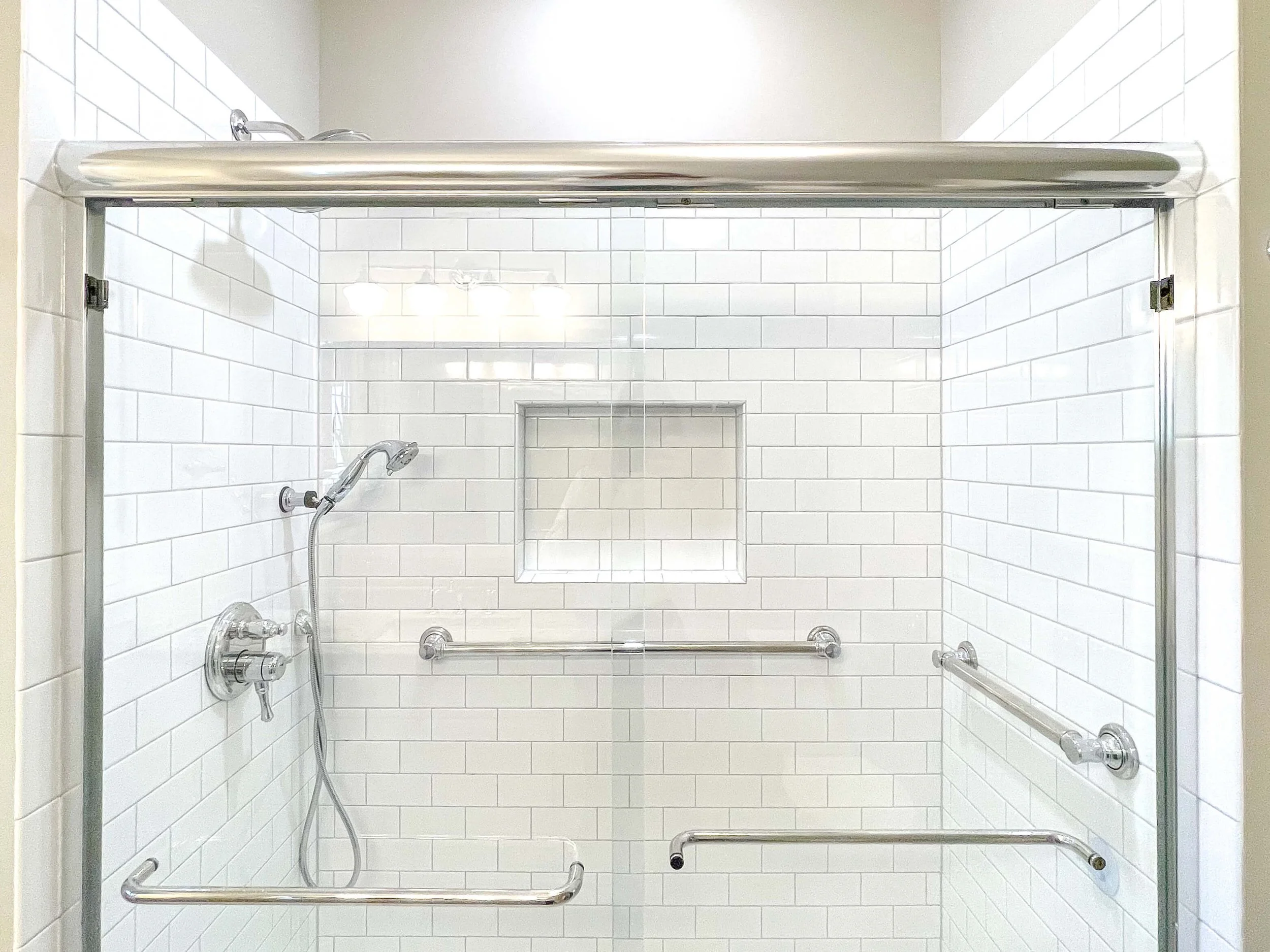
1. Install Grab Bars in the Bathroom
Bathrooms are the most common place for in-home falls.
Wet surfaces combined with stepping in and out of tubs create instability. Properly anchored grab bars near the shower, tub, and toilet provide leverage and support exactly when it’s needed most.
What matters: secure installation into wall studs and placement at natural hand height.
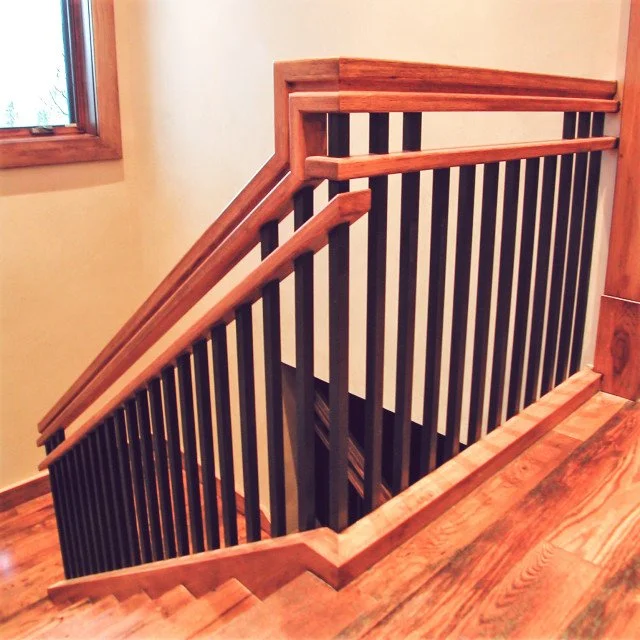
2. Add Handrails on Both Sides of Stairs
Many homes only have one railing — or none at all.
Adding secure handrails on both sides of interior and exterior staircases significantly increases balance and confidence. Continuous rails without gaps are especially important.
Why it works: stairs are high-risk transition zones where extra stability prevents missteps.
3. Improve Lighting in Hallways and Stairwells
Dim lighting makes depth perception harder and increases trip risk.
Simple upgrades like:
Brighter LED bulbs
Motion-activated night lights
Illuminated stair edges
can dramatically reduce nighttime falls.
Good lighting is one of the easiest and most affordable safety improvements.
4. Secure or Remove Loose Rugs
Throw rugs are one of the most overlooked hazards in the home.
If rugs are important for comfort or style, use non-slip backing or secure them firmly. Otherwise, removing them entirely can eliminate a major trip risk.
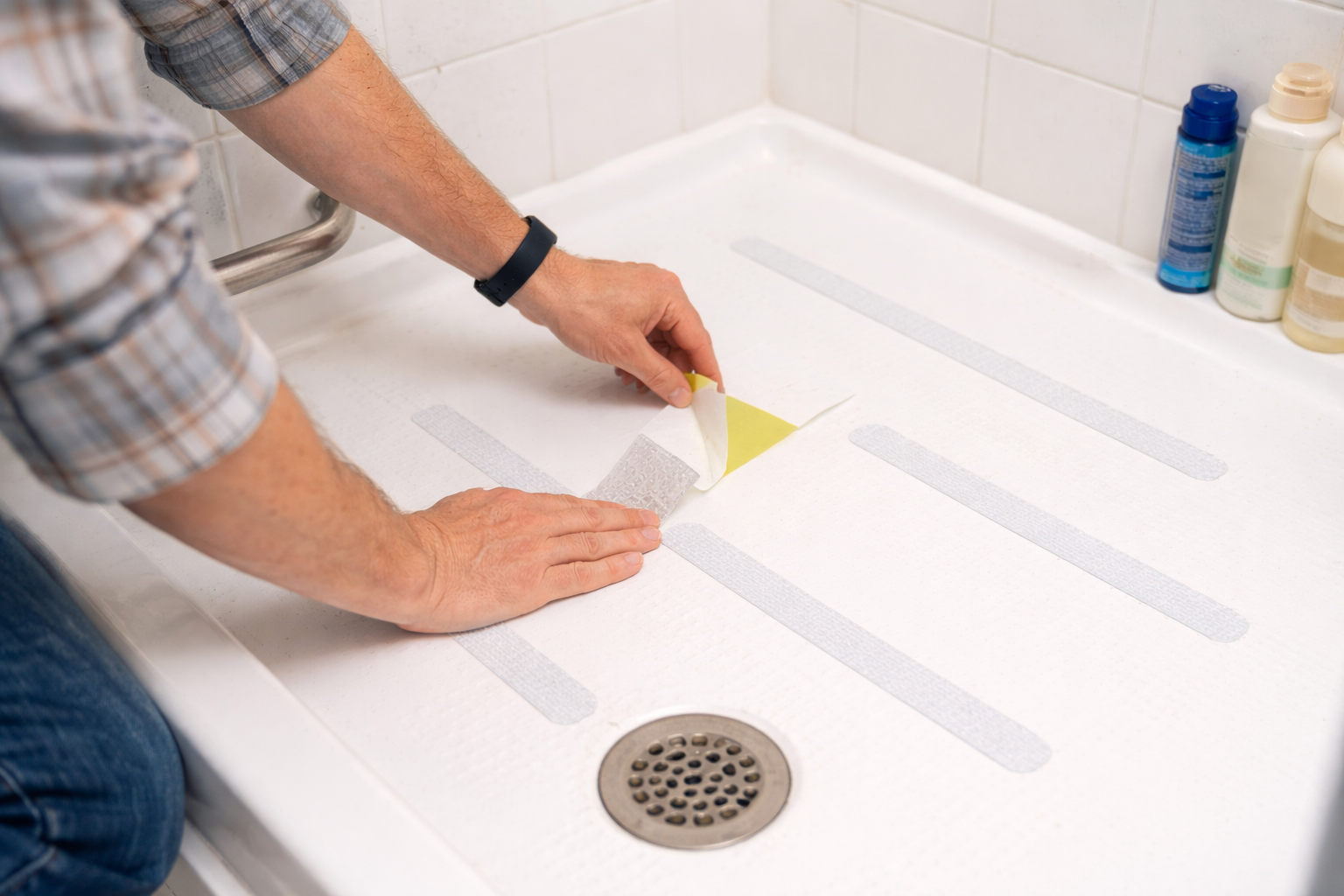
5. Install Non-Slip Strips in the Shower
Even with grab bars, slippery shower floors can be dangerous.
Non-slip adhesive strips or textured mats reduce sliding and provide added traction without changing the look of the space.
Small addition. Major impact.
6. Upgrade Door Handles to Lever Style
Round doorknobs require grip strength and twisting — both of which can decline with age.
Lever-style handles are easier to operate, especially for those with arthritis or limited hand mobility. This simple hardware swap improves ease of movement throughout the home.
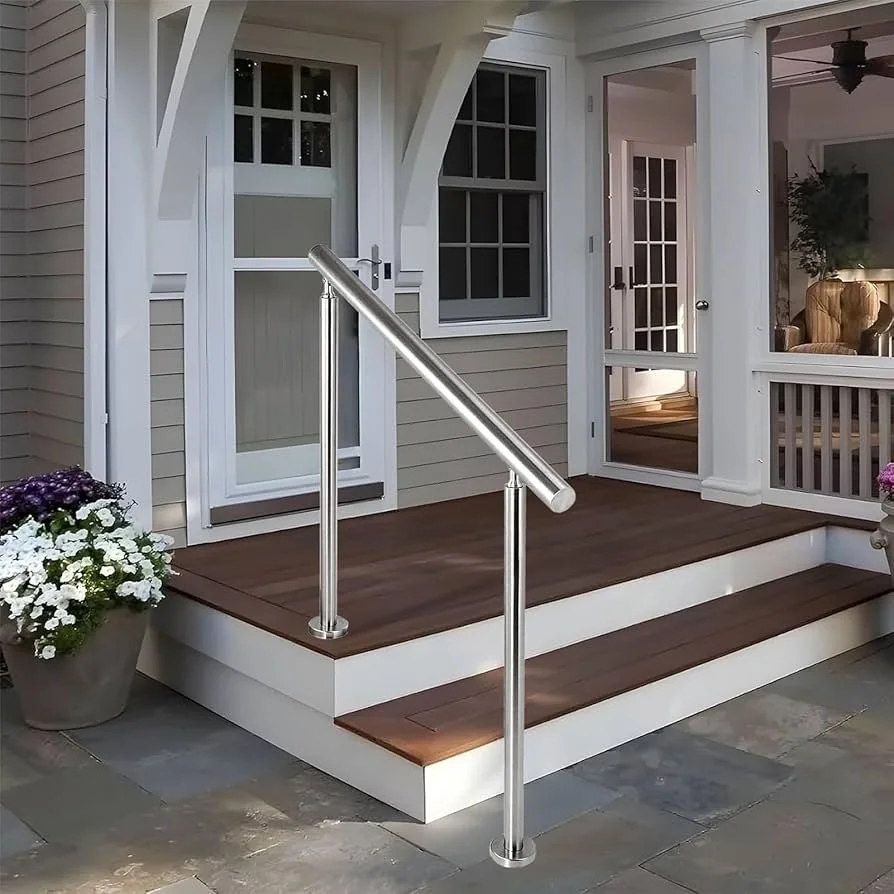
7. Add Exterior Railings at Entry Points
Many falls happen when entering or leaving the house.
Adding sturdy railings at porch steps, garage entries, or uneven walkways increases stability during critical transition moments.
Independence starts at the front door.
The Bigger Picture
Preventing falls isn’t about turning a home into a medical space.
It’s about preserving independence.
These small changes:
Increase stability
Reduce anxiety
Improve confidence
Extend the ability to age in place
And when confidence increases, independence follows.
Final Thoughts
You don’t need to overhaul an entire home to make it safer.
Start small. Focus on high-risk areas like bathrooms, stairs, and entryways. Proactive upgrades today can prevent major setbacks tomorrow.
If you’re unsure where to begin, a professional safety walkthrough can identify simple adjustments that make the biggest difference.
Because staying independent should never mean sacrificing safety.
