
Grab Bars, Ramps, and Railings
When families begin thinking about home safety for aging parents, the first upgrades that come to mind are usually grab bars, ramps, and railings.
But which ones truly make a difference?
The answer isn’t about adding equipment everywhere. It’s about installing the right support in the right places — thoughtfully and intentionally.
Let’s break down what works, why it works, and how to prioritize.
Why Falls Happen in the First Place
Most falls don’t happen because someone is reckless.
They happen because of:
Reduced balance and muscle strength
Slower reaction time
Changes in vision
Slippery surfaces
Lack of stable hand support
The goal of home modifications is simple: increase stability and reduce risk during everyday movement.
Grab Bars: Small Install, Big Impact
Where they matter most:
Inside showers
Next to bathtubs
Beside toilets
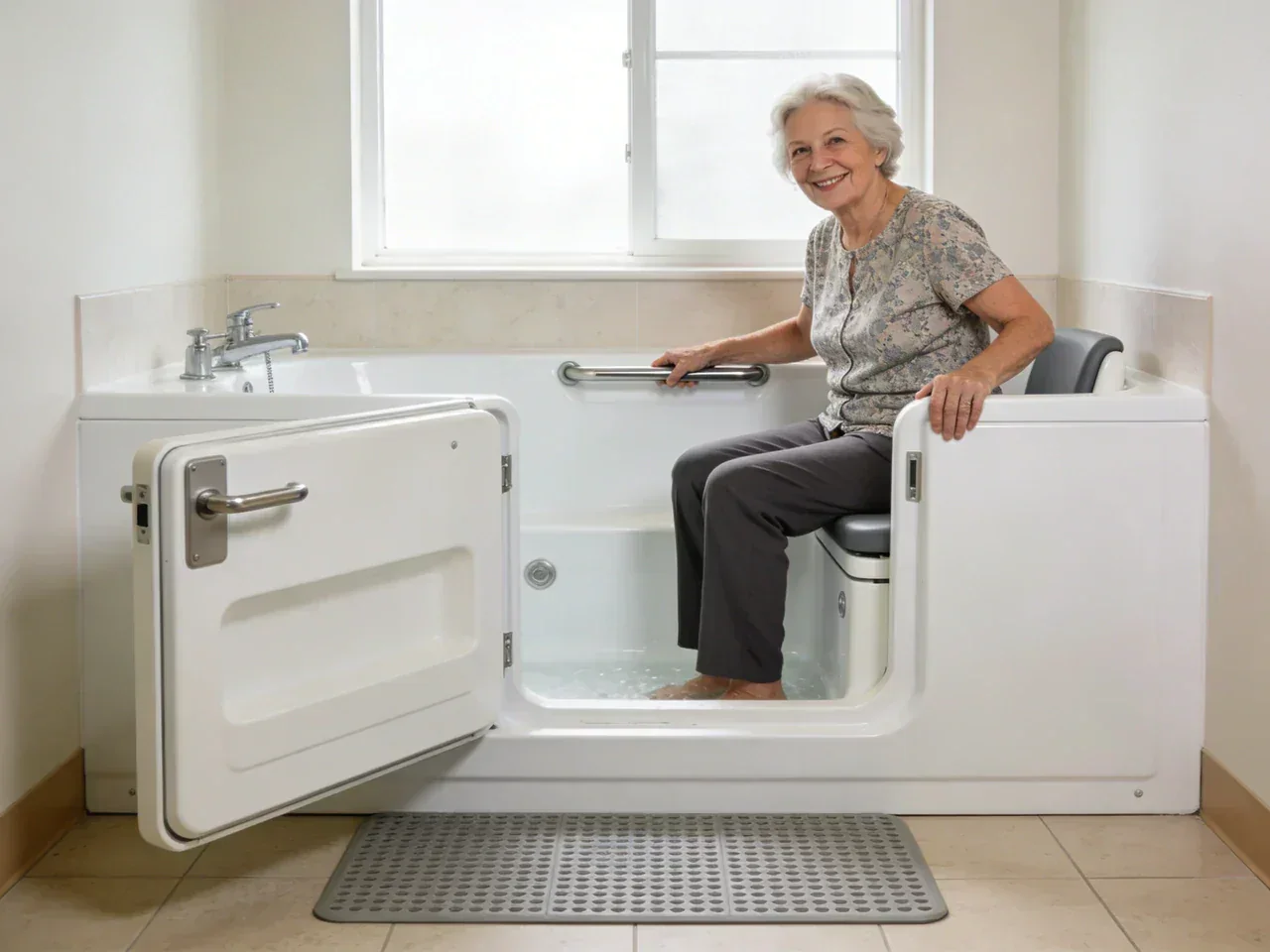
Bathrooms are the #1 location for home injuries among older adults.
A properly installed grab bar:
Provides leverage when standing
Offers stability on wet surfaces
Reduces strain on knees and hips
Prevents sudden loss of balance
What Actually Makes a Difference
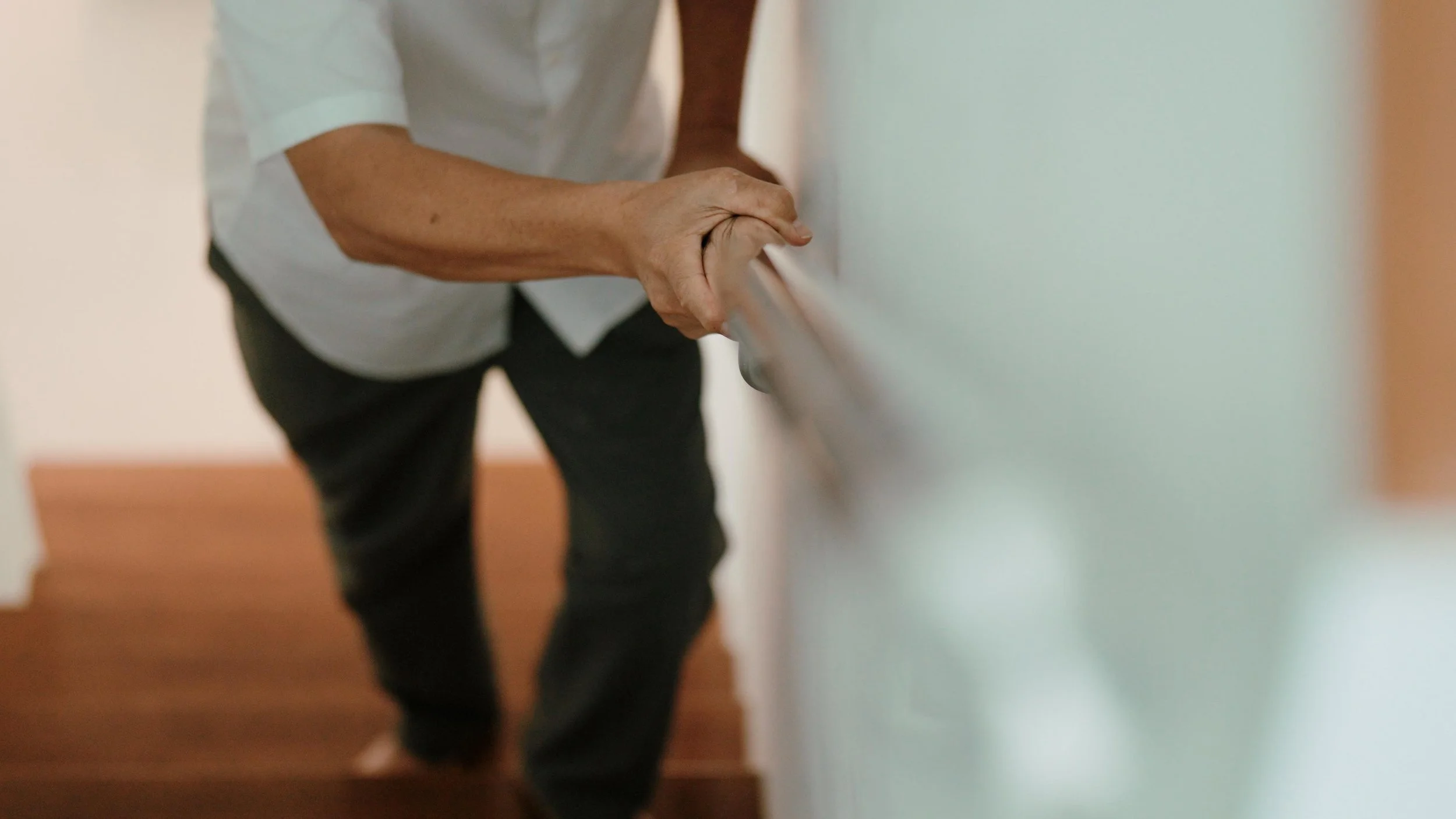
Anchored into wall studs (not just drywall)
Positioned at natural hand height
Installed vertically or at a slight angle for grip transitions
Decorative towel bars are not substitutes. Proper grab bars are weight-rated and engineered for support.
Railings: Often Overlooked, Extremely Effective
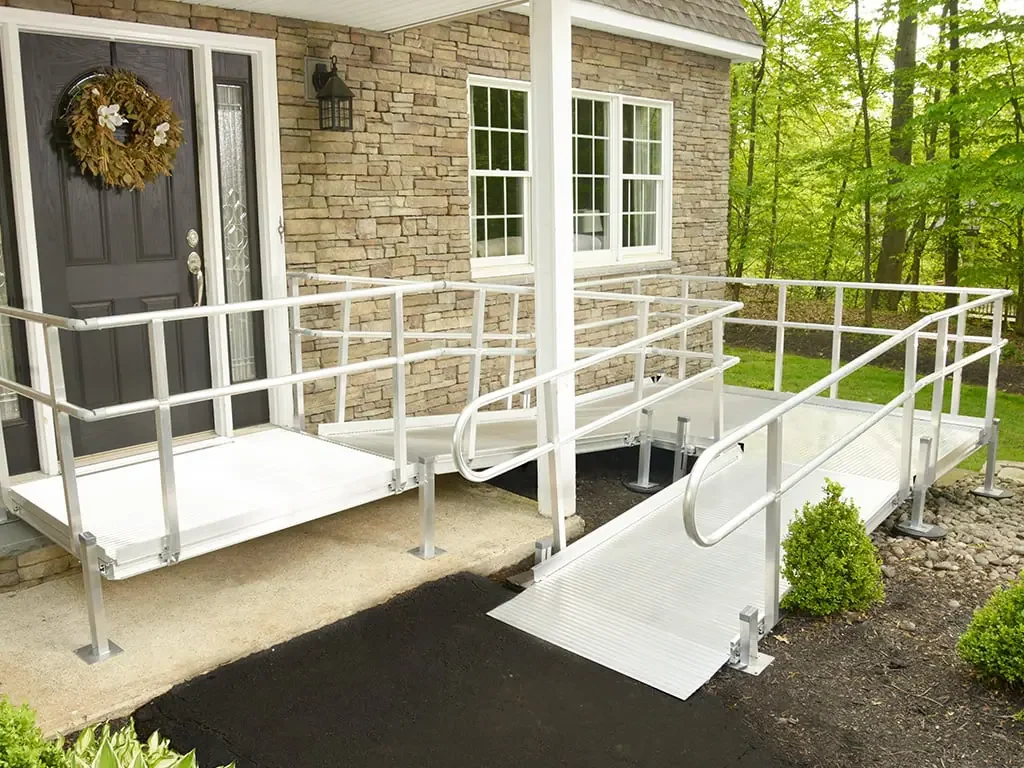
If there’s one upgrade that dramatically improves safety, it’s secure railings.
Staircases and porch steps are high-risk areas.
What works best:
Railings on both sides of staircases
Continuous rails without gaps
Proper grip size (not too wide)
Secure anchoring into framing
Many homes have decorative or outdated rails that don’t provide true stability. Upgrading to secure, ergonomic handrails can significantly reduce fall risk.
Ramps: Access Without the Struggle
Ramps are not just for wheelchairs.
They’re helpful for:
Walkers
Mobility challenges
Recovery from surgery
Reduced knee strength
Navigating uneven entryways
What Makes a Ramp Effective
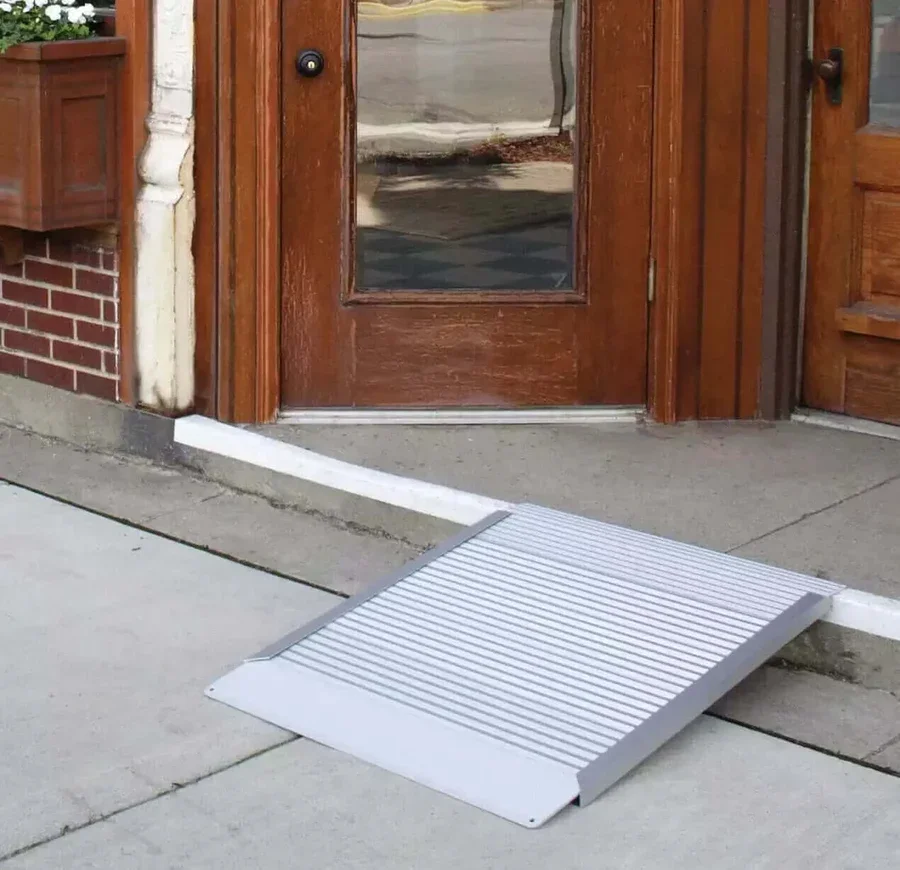
Proper slope (not too steep)
Non-slip surface
Sturdy handrails
Smooth transition at doorway
A poorly designed ramp can be just as dangerous as stairs. Correct slope and secure construction are critical.
What Makes the Biggest Difference Overall?
If you’re prioritizing, here’s where to start:
Bathroom grab bars
Secure stair railings (both interior and exterior)
Improved lighting in hallways and stairwells
Entryway modifications (rails or ramps)
The most impactful upgrades are the ones that support daily movement — standing, stepping, bathing, entering, and exiting.
The Real Goal: Confidence
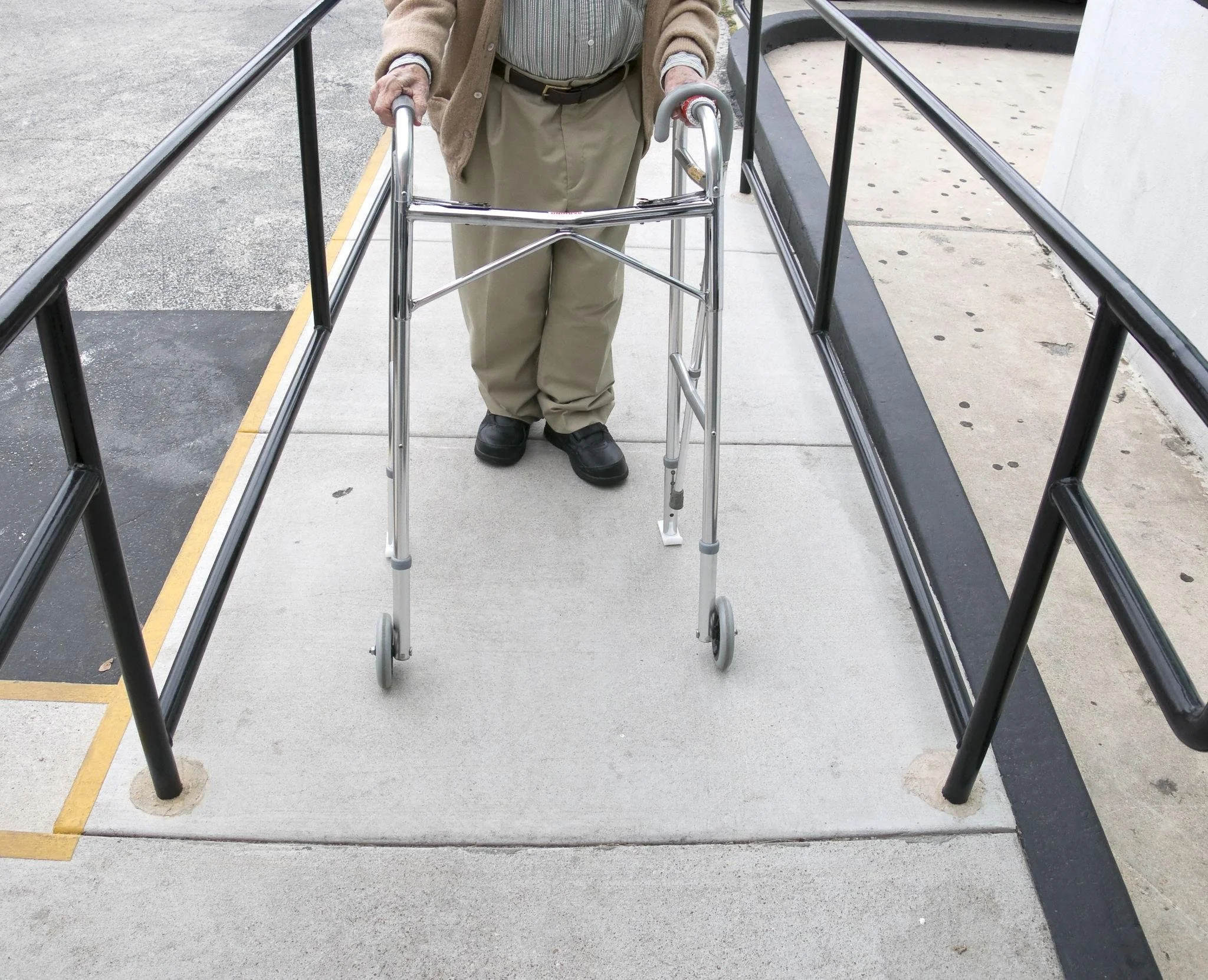
Safety modifications are not about turning a home into a medical facility.
They’re about preserving independence.
When someone feels steady walking down the stairs…
When they can step into the shower without fear…
When leaving the house doesn’t feel risky…
Confidence returns.
And confidence keeps people independent longer.
Final Thoughts
Grab bars, ramps, and railings absolutely make a difference — when installed correctly and placed strategically.
The right support in the right spot can prevent injuries, reduce anxiety, and allow aging homeowners to stay where they belong: in the home they love.
If you’re unsure what changes would make the greatest impact in your home, start with a simple walk-through. Focus on bathrooms, stairs, and entryways.
Small upgrades today can prevent major setbacks tomorrow.
